Share the realities of Myanmar, Missionary SeungJin Kim December 6, 2025

Because the local people featured in the post could face negative consequences if exposed, please understand that the photos in the post cannot be copied or used.
I would like to share the realities of Myanmar that I newly came to see during my recent visit.
Myanmar has been in severe turmoil and suffering since the military coup in 2021. When I visited last year, the government had already begun controlling the media and the internet by restricting access to social media. This year, the situation has worsened even more. Without using a third-country VPN, access to social media is nearly impossible, and even with a VPN the connection often drops. People say that as the general election scheduled for December 28 approaches, the military is tightening its control over the internet and media.
As a result, very little news about Myanmar is reported internationally, and the information available is extremely limited. It felt as if Myanmar had become “a country the enemy has covered and hidden.” For this reason, I want to share a little of what I have seen and heard.
Myanmar is a large country
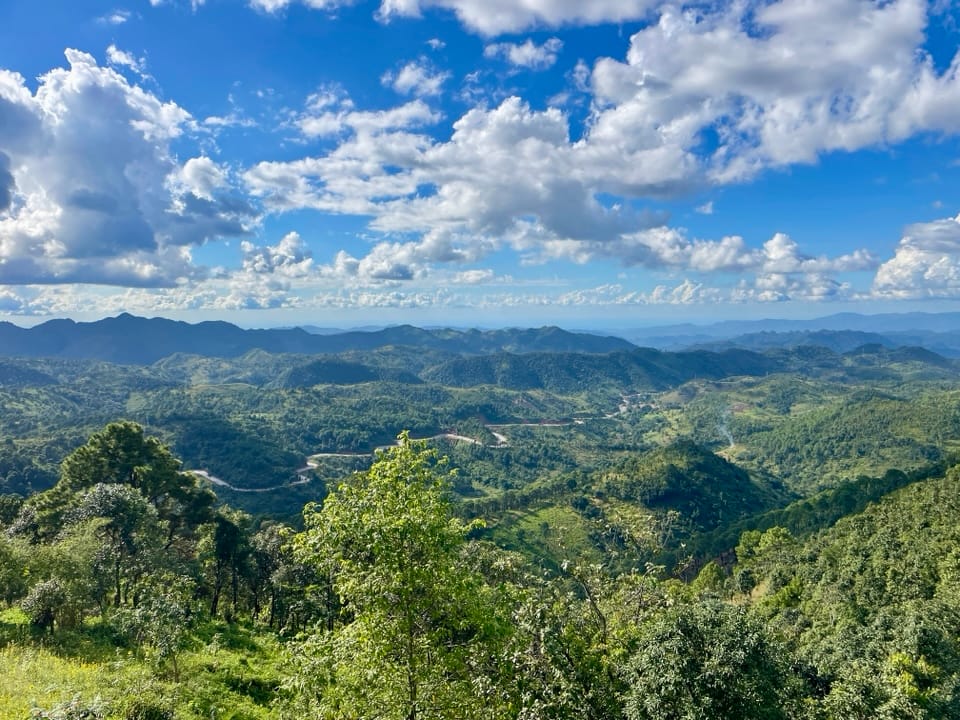
About three times the size of the UK. Its population is about 55 million. It borders China, India, Bangladesh, Laos, and Thailand, and much of the land is mountainous. Above all, it is one of the most resource-rich nations in Southeast Asia. It has natural gas, oil, jade, rubies, sapphires, copper, tungsten, abundant agricultural land, and rich marine resources.
But in reality, it has become the poorest country in Southeast Asia. Its economic level is now lower than that of Laos and Cambodia, which were once communist nations. The gap becomes even more stark when compared with neighboring Thailand. Myanmar has more natural resources, diverse landscapes and climates, and beautiful nature—giving it huge potential for tourism. While Thailand suffered less damage during World War II and enjoyed political stability, Myanmar—despite its abundant resources—has been unable to develop due to continuous armed conflicts, military dictatorship, and deep-rooted corruption. It became clear to me that for Myanmar, peace and reconciliation are no longer optional—they are essential for survival.
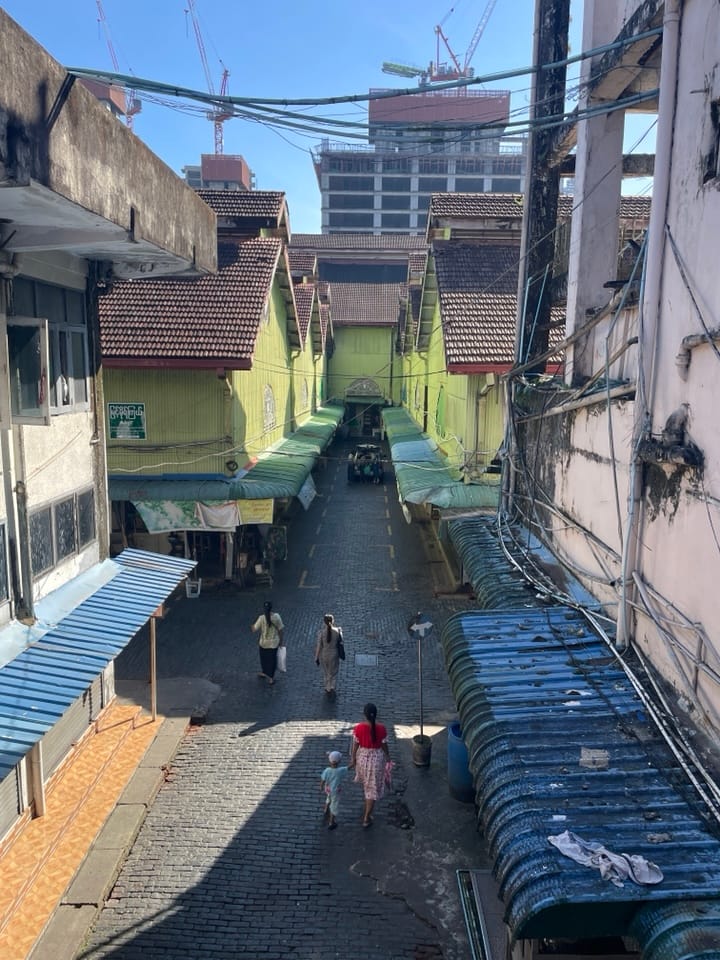
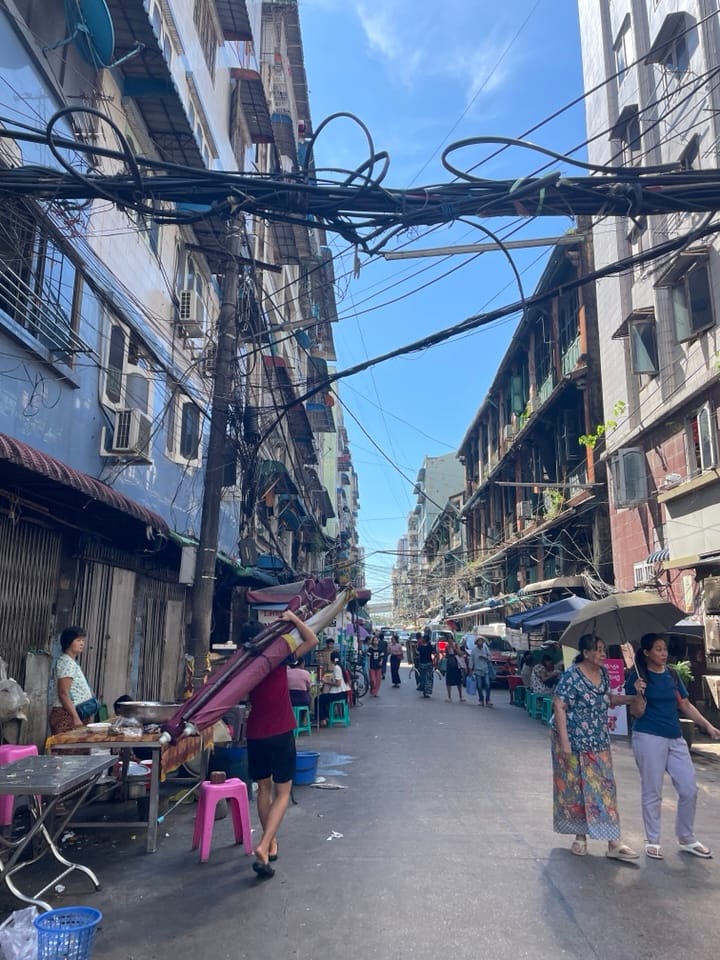
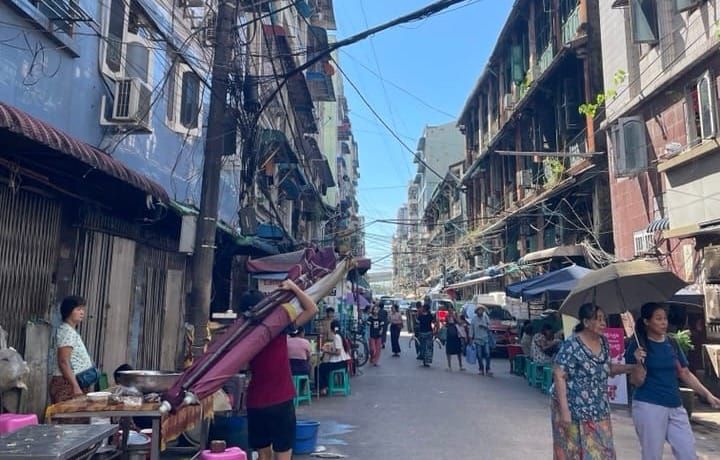
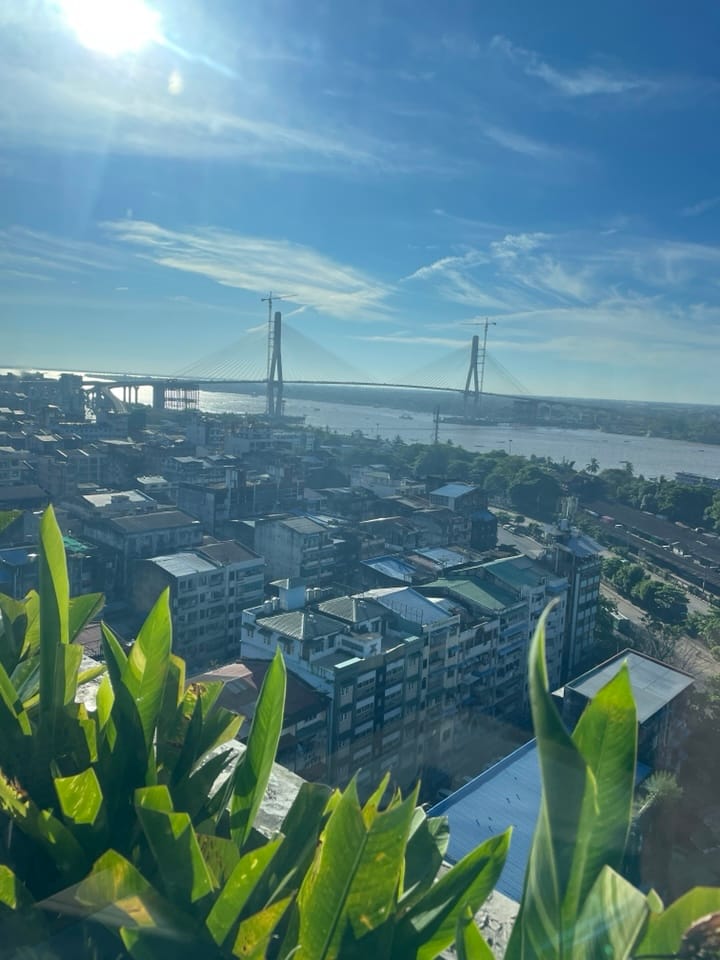
Behind the seemingly vibrant streets of Yangon lies severe inequality.
Just a short distance outside the city are refugee settlements and extreme poverty. I visited Dala and saw people living in such desperate conditions that I couldn’t bring myself to take photos. Once again, I felt that what has brought Myanmar to this state is the legacy of imperial injustice and greed. As for the upcoming election on December 21, the people have no expectation whatsoever. Most believe it is “an election whose results the military has already decided,” and many say they will not vote at all.
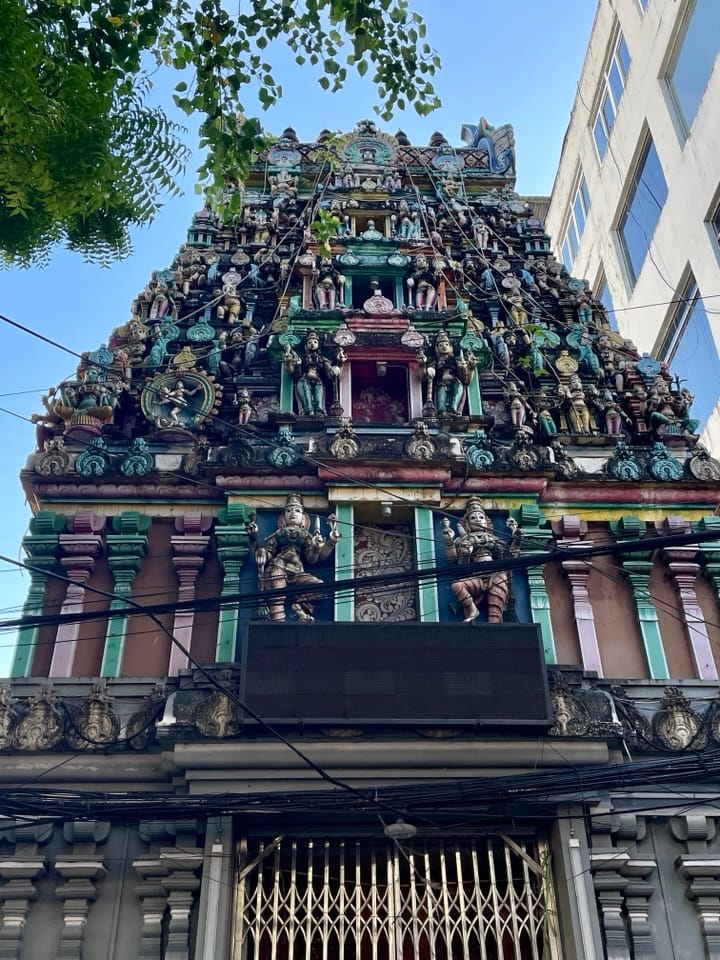
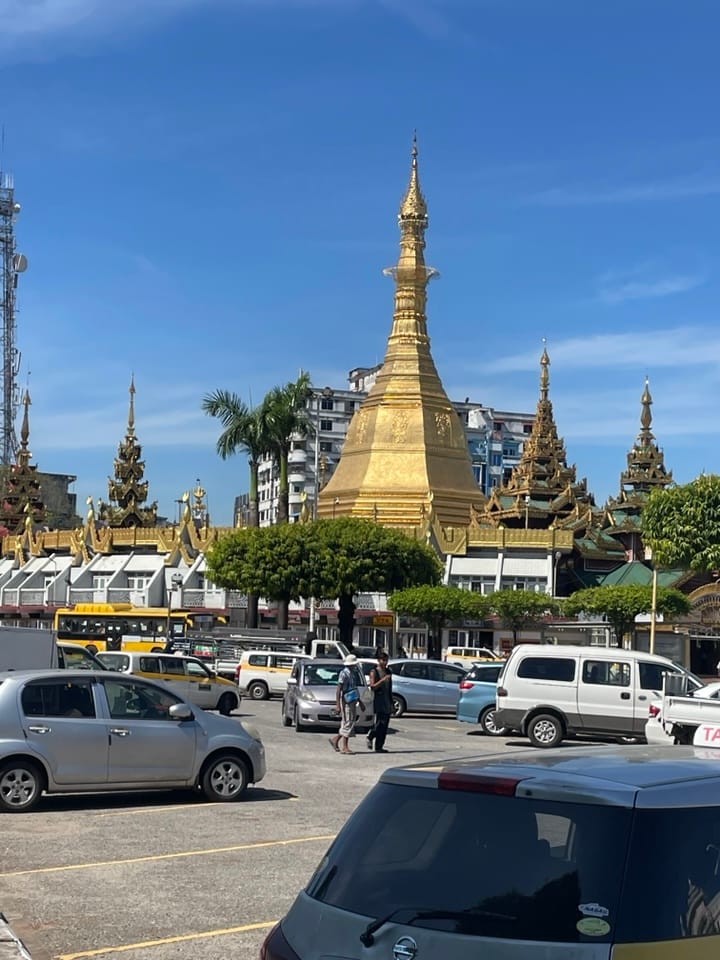
During my time in Yangon, I learned several new realities:
- There is no public expectation for the December election, and many people say they will not vote.
- National ID cards list ethnicity, religion, and occupation. As a result, people who are not Buddhist face various disadvantages, including reduced job opportunities.
- It is very difficult for churches to rent buildings. Using a residential building as a church is illegal. The government refuses to sell public land for church use, and churches also struggle to get bank loans.
- Young people are disappearing from the church. Many flee abroad to avoid conscription, hide in the jungle, or join resistance groups.
- There are many refugee camps on the outskirts of Yangon, and recently more people survive on only one meal a day.
- Inflation has skyrocketed in recent years. For example: one egg was 10 kyat, now it is 150 kyat.
- Exchange rate: before the coup, 1 USD = 1,300 kyat → now 4,000–4,300 kyat on the black market.
- Since the military takeover, more villages have been destroyed and the number of displaced people has increased. These refugees eventually move to the cities and become part of the urban poor.
- Most major ethnic groups have their own armed militias. (It appears this structure began during British rule, when local forces were organized by ethnicity—this became a root cause of future conflict. Further research needed.)
- In Chin State (a highland region), the gospel entered during the British colonial era, and within six years, the first converts appeared. Today, 80–90% of the population is Christian. However, they say they have rarely been taught about reconciliation and peace.
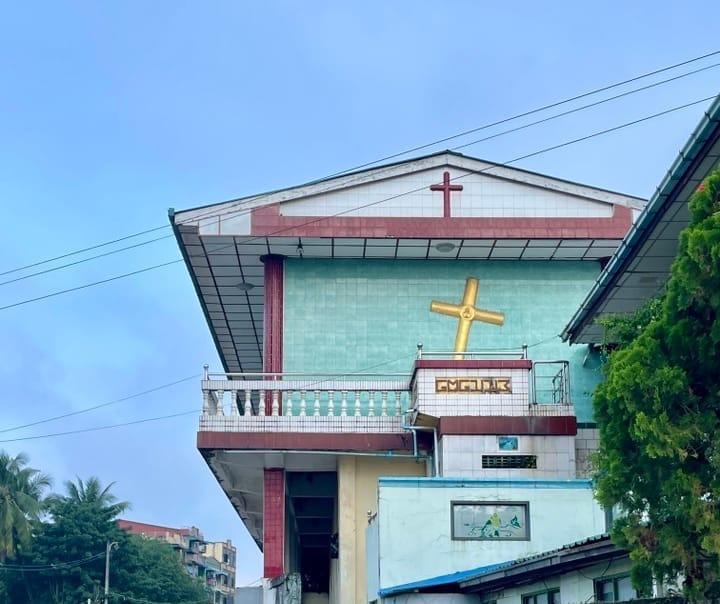
Prayer Requests
- That the December election would not become a catalyst for worsening conflict in Myanmar.
- That the younger generation—who are disappearing under current conditions—will not lose their faith, but instead encounter God, the sovereign Lord, more deeply.
- That I may clearly discern the Lord’s guidance regarding how I should continue serving in Myanmar in the future.