Peace Building Seminar report, Missionary SeungJin Kim November 28, 2025

Because the local people featured in the post could face negative consequences if exposed, please understand that the photos in the post cannot be copied or used.
After two and a half weeks in Myanmar, I returned home safely on Thursday morning, the 26th. Thank you so much for your prayers.
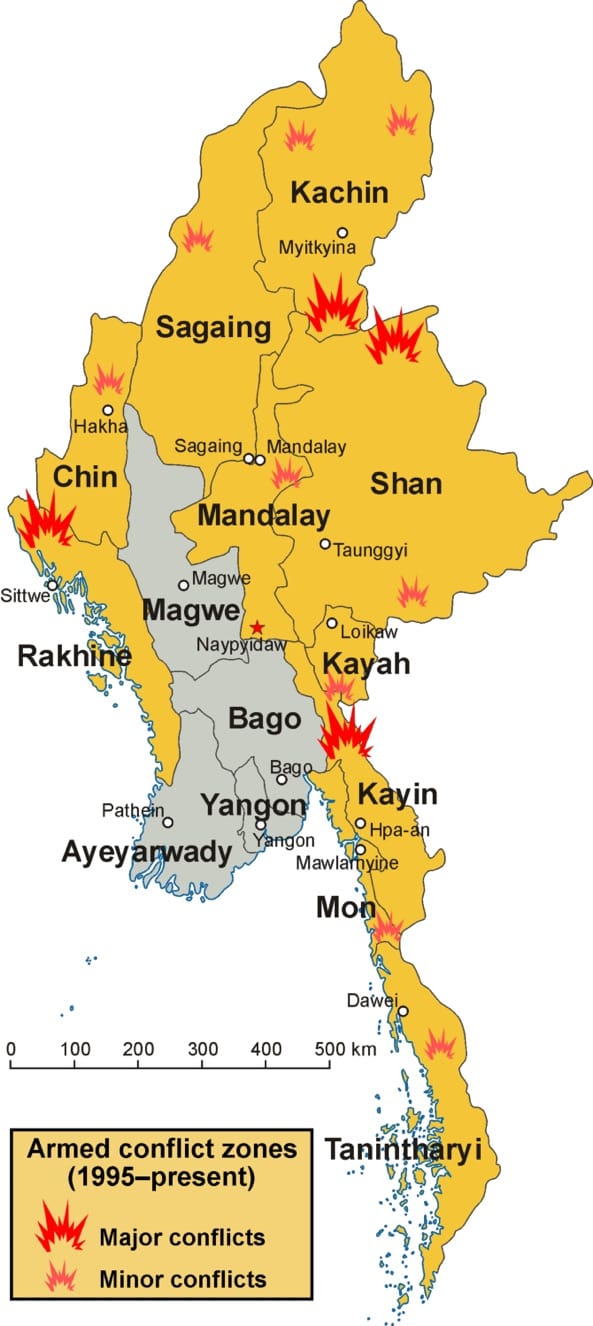
It is officially known that Myanmar currently has 136 ethnic groups. After colonizing Myanmar, the British administration classified the population into these 136 categories by intentionally subdividing various ethnic peoples. They also brought migrants from India and Bangladesh and placed them in administrative positions, effectively making the Burman majority a subordinate class. After Myanmar gained independence, the tensions created by this structural inequality only deepened.
Since independence in 1948, these conflicts have never truly ceased. In particular, after the 2021 military coup, armed clashes between the junta and non-Buddhist minority groups have intensified. Last year, the military began forcibly conscripting young people, prompting many to flee abroad, hide in the jungle, or join the resistance forces to fight against the military dictatorship. I led a youth meeting at a church in Yangon last year where more than 50 young people were present, but this year hardly any of them remained. In Myanmar today, an entire young generation is disappearing.
The two-day reconciliation seminar held on November 14–15 was completed with much grace, and I returned safely to my home in Northern Ireland yesterday with a grateful heart.
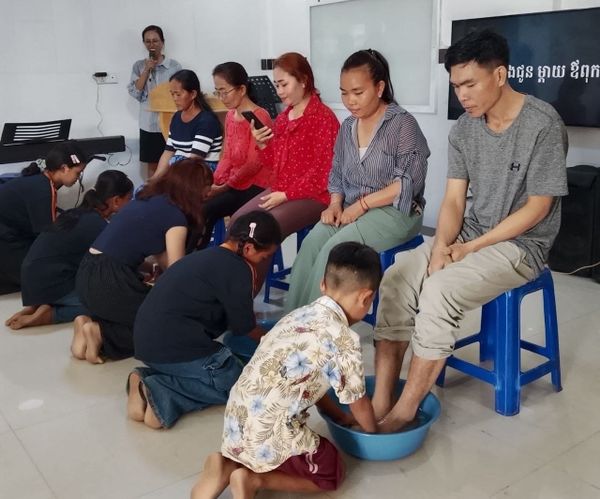
On the first day, 56 people attended—about one-third were students from Myanmar’s most prominent theological schools, MIT (Myanmar Institute of Theology) and MEGST (Myanmar Evangelical Graduate School of Theology). The rest were youth leaders from various churches in Yangon. Together we explored Scripture, learning the idea that “the gospel is reconciliation,” and reflected on the threefold meaning of the gospel: Gospel = Reconciliation = Mission.
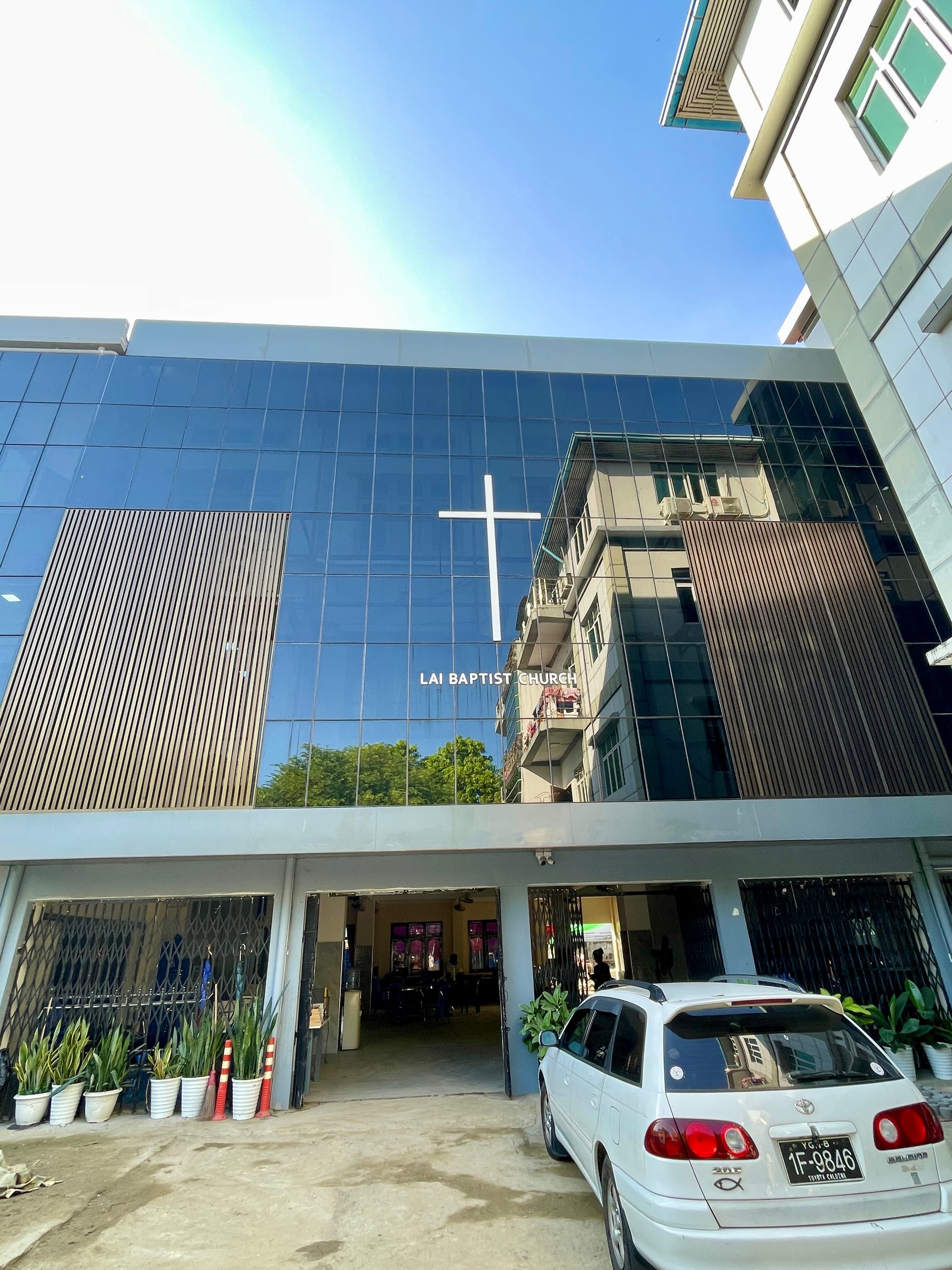
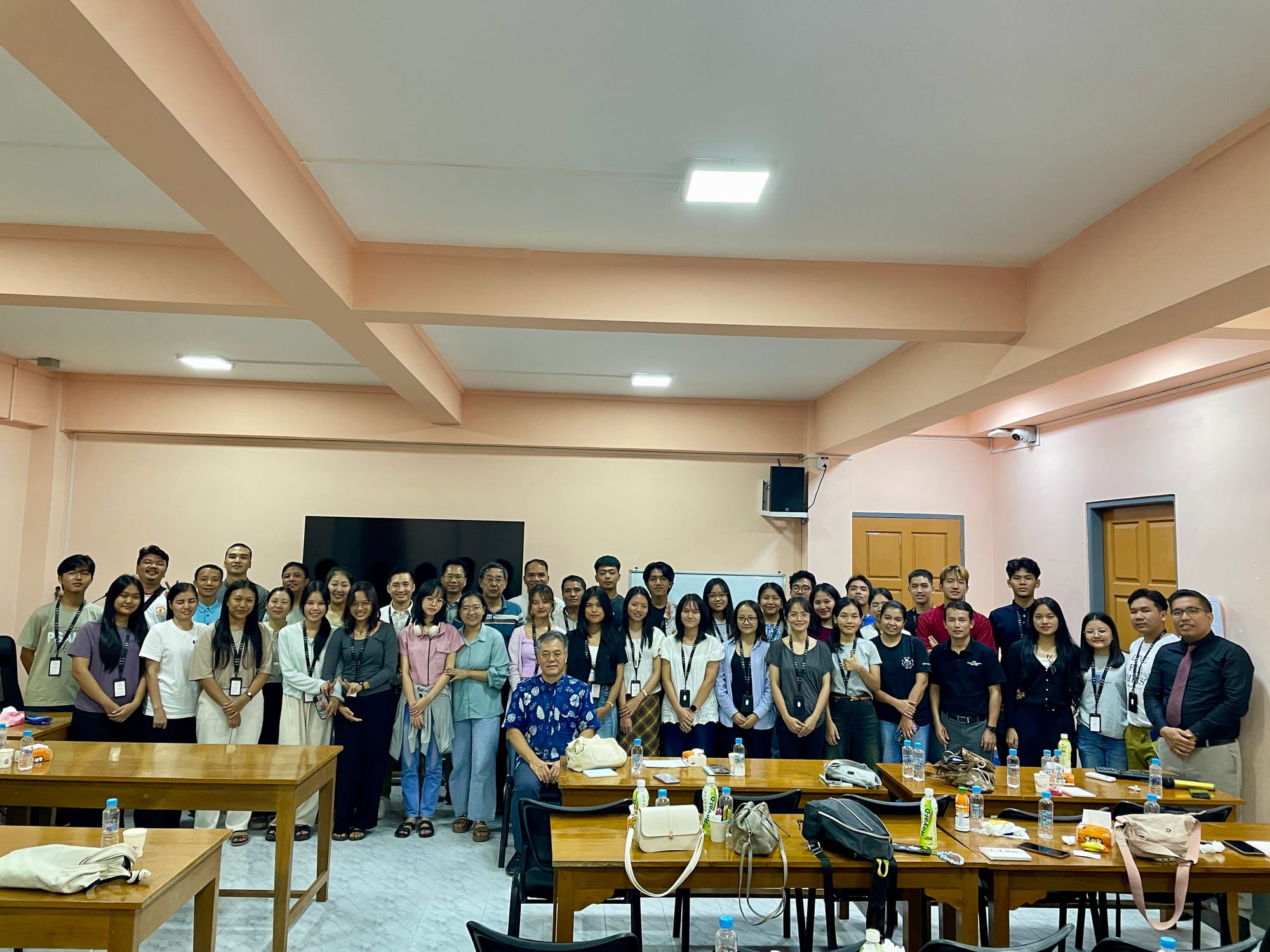
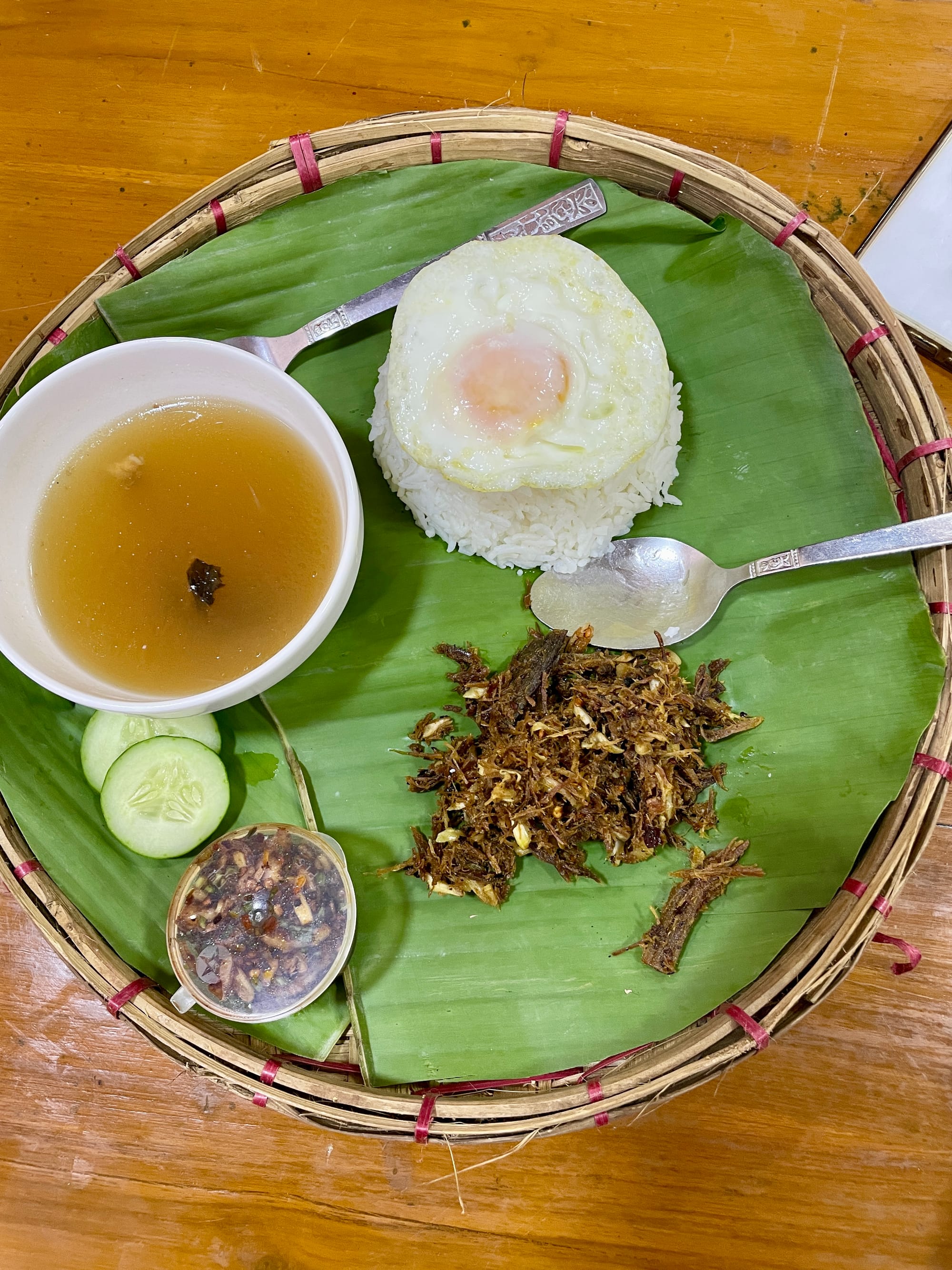
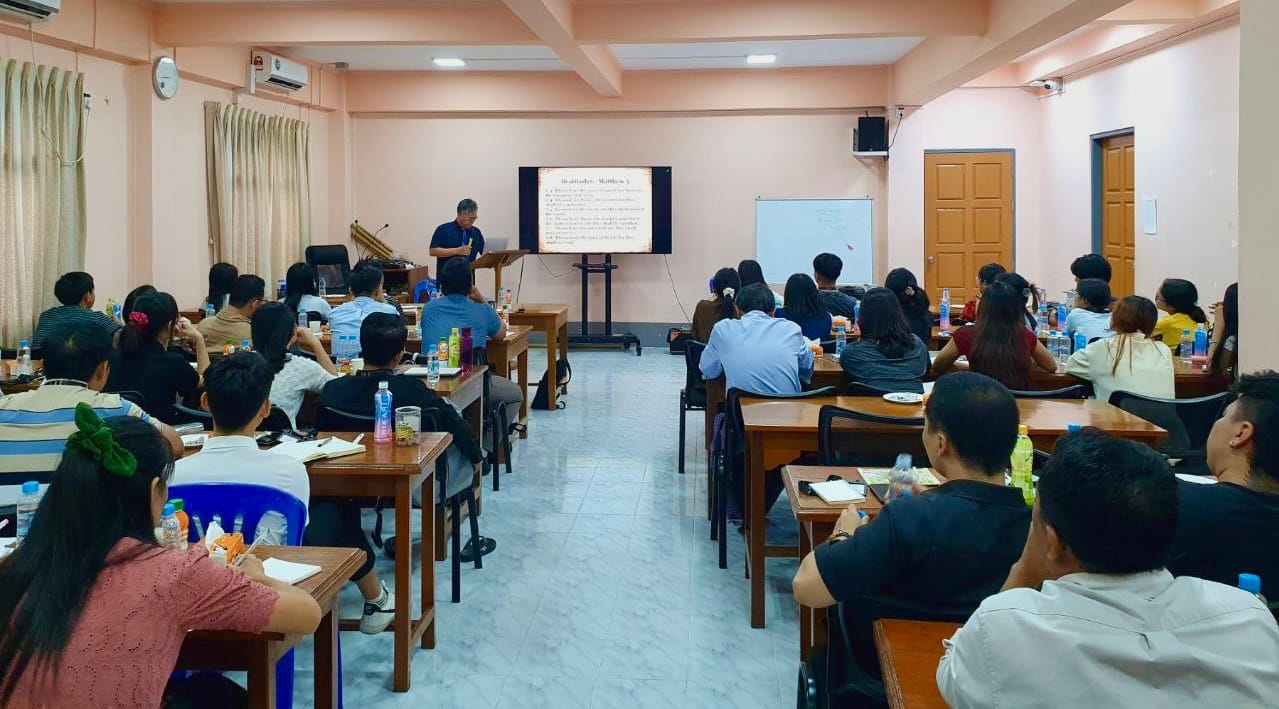
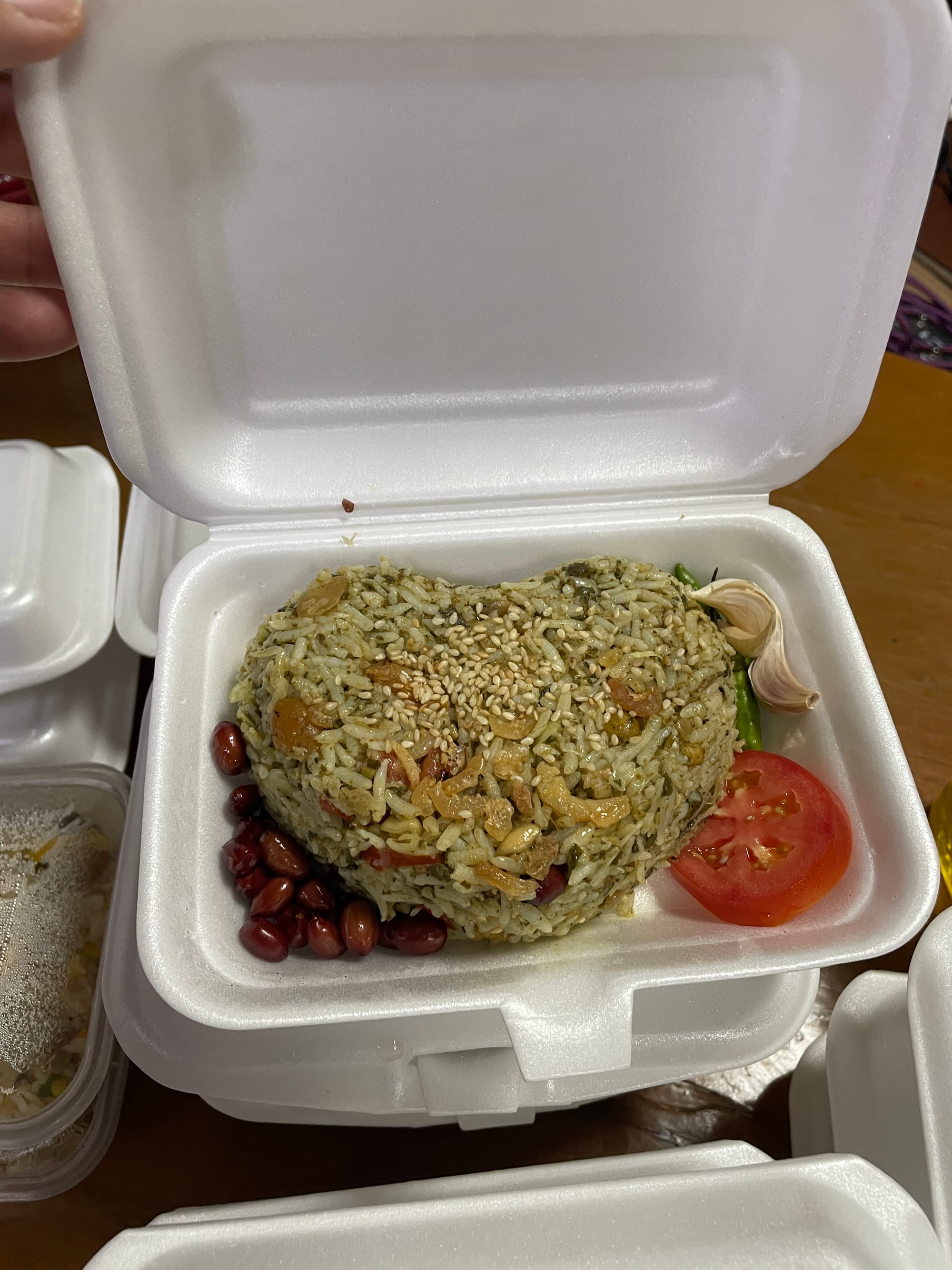
On the second day, along with academic content, I shared my personal journey of becoming a reconciler. I also apologized on behalf of the United Kingdom for its historical role in fostering ethnic divisions in Myanmar. Ironically, most Myanmar people are unaware of the British “divide and rule” policy, and many seemed shocked when I explained the historical background. Several expressed gratitude for the public apology and repentance offered before God.
During the feedback session, some participants confessed with tears their hatred and unforgiveness toward other ethnic groups. Others repented on behalf of their own group for sins committed against other tribes. One by one, participants committed themselves to becoming reconcilers, ambassadors of reconciliation, and spiritual warriors who fight—not against flesh and blood—but in God’s kingdom. After the seminar, the local leader and I held a debriefing and agreed that, even though this was our first attempt, it had successfully planted a spark of reconciliation in many hearts.
Personally, this seminar has given me two particular prayer directions:
- Collaboration with theological schools in Yangon
Several seminaries in Yangon appear to have reconciliation/peace centers, but they do not seem active. Seeing the students who attended, I began hoping to offer a three- to five-day intensive course on reconciliation and peace at these schools. I plan to contact them soon. - Expansion of reconciliation seminars
I hope to conduct similar one- or two-day seminars not only in Yangon but also in other regions—especially in areas where ethnic conflict is severe. Local leaders are also strongly recommending this.
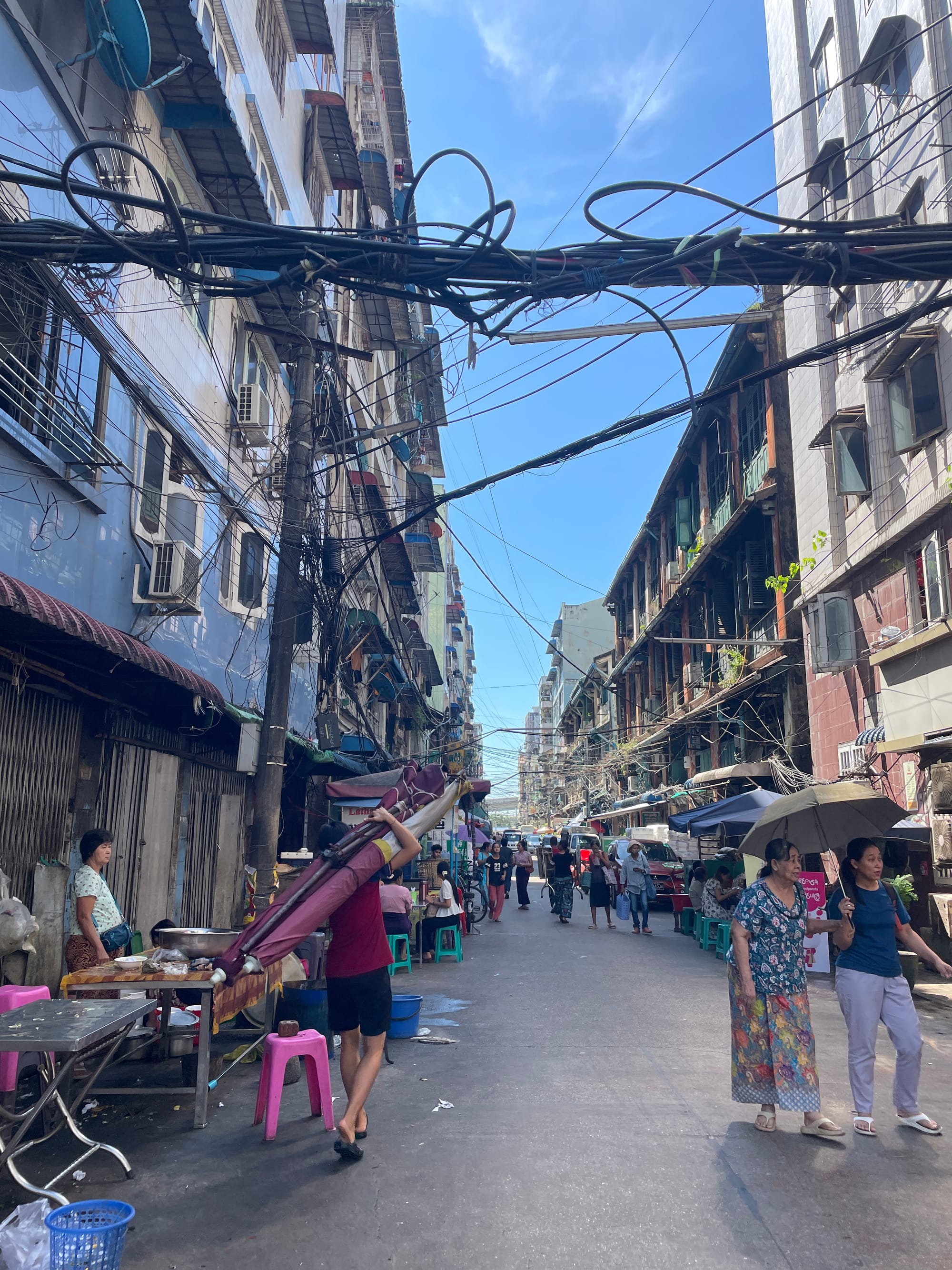
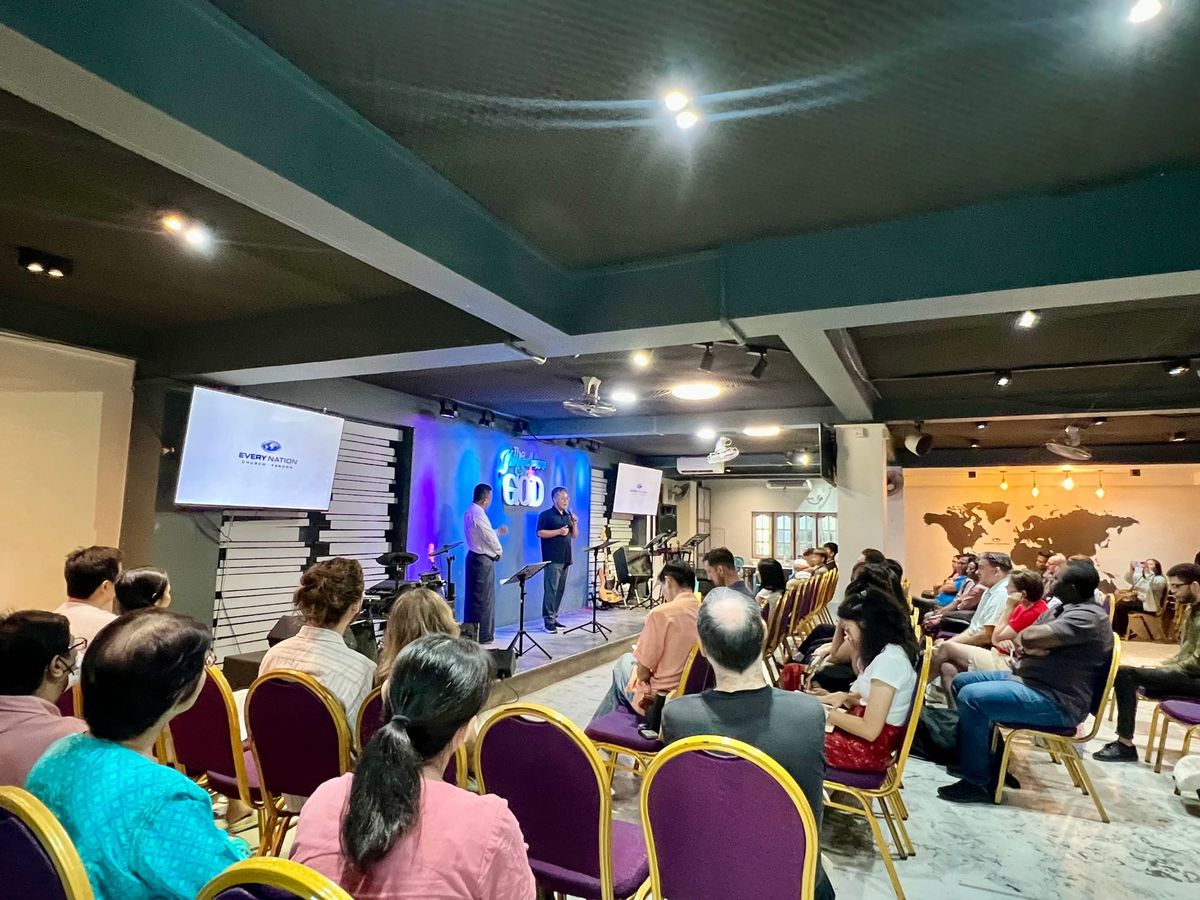
After the lectures and seminar, I stayed in Yangon for few more days. On Sunday, I attended an English-speaking service at a church where many expatriates worship. An international prayer team happened to be visiting that day, and they led a time of intercession for Myanmar. When they invited us to pray against the strongholds that the enemy has established over this land, I felt a deep burden in my spirit. The reason was clear: Myanmar’s armed conflict and extreme poverty are direct consequences of the structural systems created by British colonial policies.
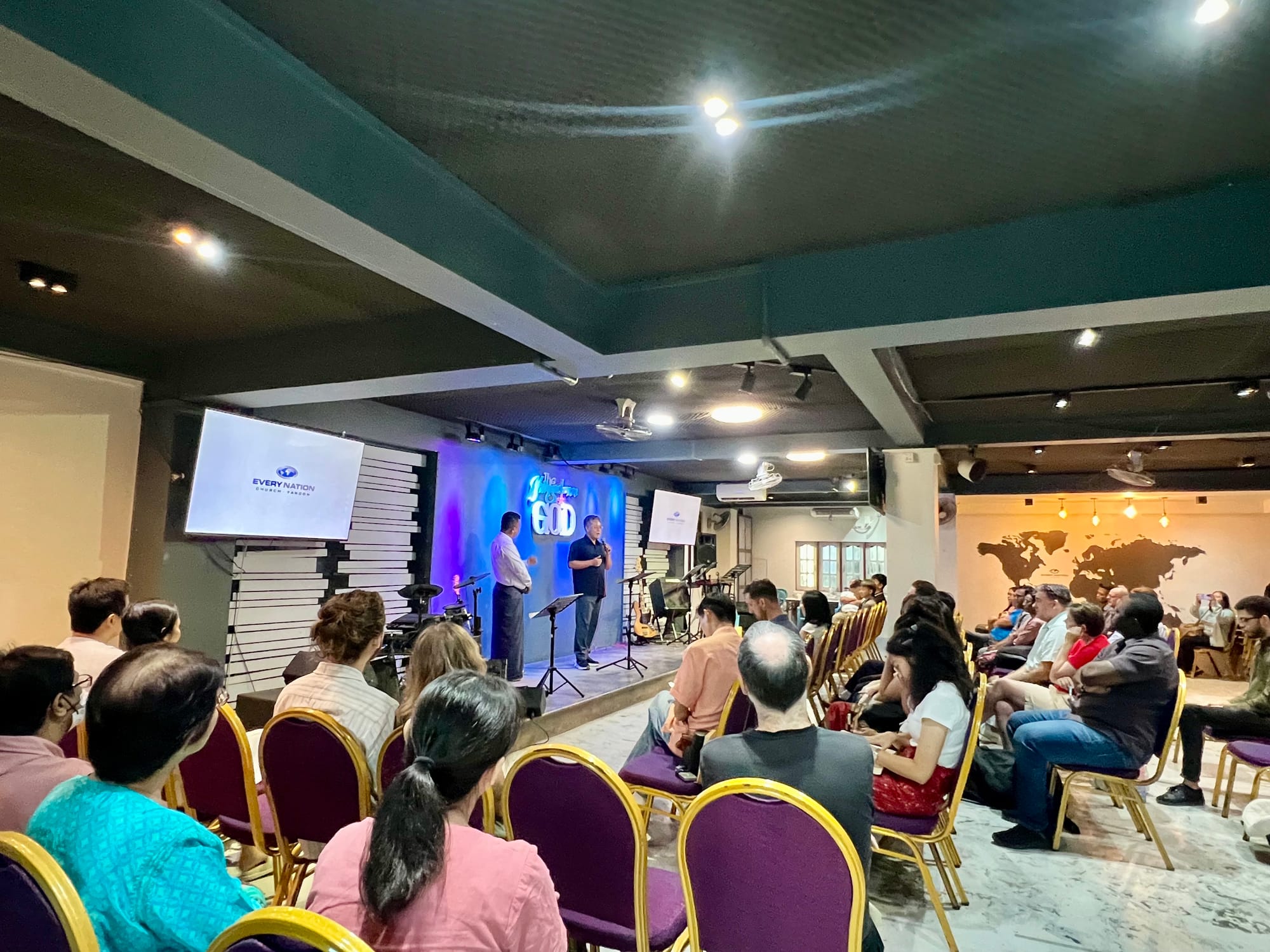
Holding on to 2 Chronicles 7:14 (“If my people who are called by my name humble themselves, pray, seek my face, and turn from their wicked ways, then I will hear from heaven, forgive their sin, and heal their land”), I publicly asked forgiveness on behalf of the United Kingdom for the past policies of division and discrimination. I repented before God and cried out that He would break the spiritual consequences of the British Empire’s injustice—the deep ethnic divisions and severe poverty—and bring healing and restoration to Myanmar.
After the service, several people approached me and said the prayer had been impactful and powerful. I believe it helped Christians living in Myanmar think more deeply about reconciliation. Yet for me, the moment revealed how urgent God’s heart is for the healing and restoration of this land.
During my last 2–3 days in Yangon, I met with some locals, listened to their stories, and witnessed the reality of the nation firsthand. It was painful and heartbreaking. Yet in the midst of that suffering, I sensed strongly that God is still planting seeds of hope in Myanmar. With that conviction, I prayed even more earnestly, believing that God will surely restore this land.
In my next update, I will share a broader overview of the situation in Myanmar and the specific prayer needs for this nation.
Personally, this seminar has given me two particular prayer directions:
- Collaboration with theological schools in Yangon
Several seminaries in Yangon appear to have reconciliation/peace centers, but they do not seem active. Seeing the students who attended, I began hoping to offer a three- to five-day intensive course on reconciliation and peace at these schools. I plan to contact them soon. - Expansion of reconciliation seminars
I hope to conduct similar one- or two-day seminars not only in Yangon but also in other regions—especially in areas where ethnic conflict is severe. Local leaders are also strongly recommending this.